/ Programs & Philosophy
The daily routine is the curriculum.
Every block tower, every read-aloud, every meal — mapped to a specific skill. Here, the day itself is the lesson plan.

— How the day unfolds
Three beats. One documented arc.
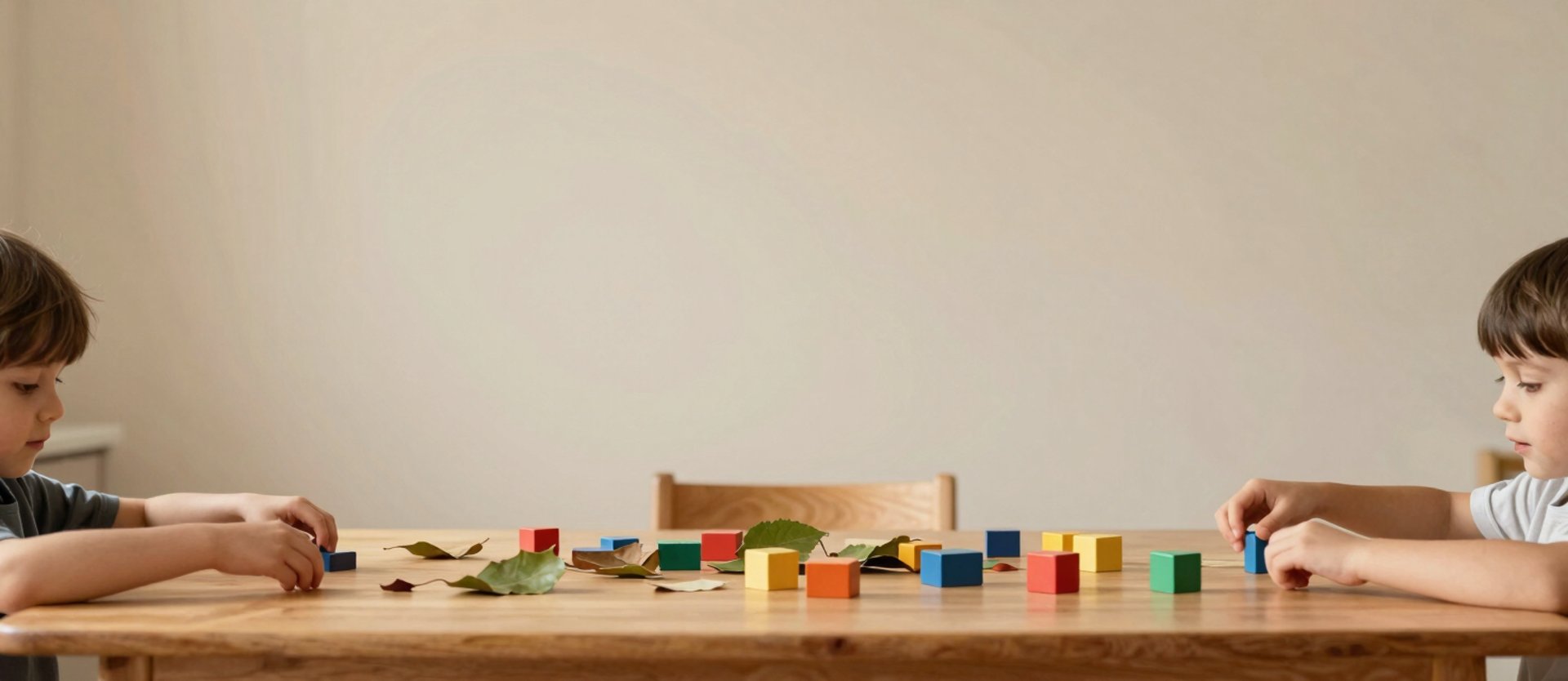
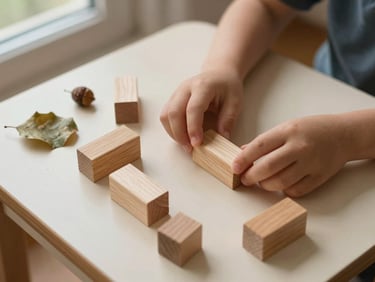
Open-ended building & play
Read-aloud & language time
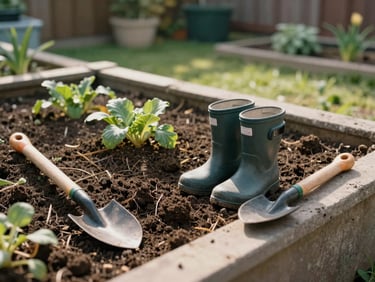
Outdoor & nature exploration
Unstructured material play — blocks, loose parts, sensory bins — builds spatial reasoning, counting, and the persistence kindergarten teachers notice immediately.
Daily read-alouds and conversation circles build phonological awareness, vocabulary, and the listening habits that carry directly into early reading.
Outdoor time is never filler. Observing seasons, sorting natural materials, and moving freely develop gross motor skills and scientific inquiry in tandem.
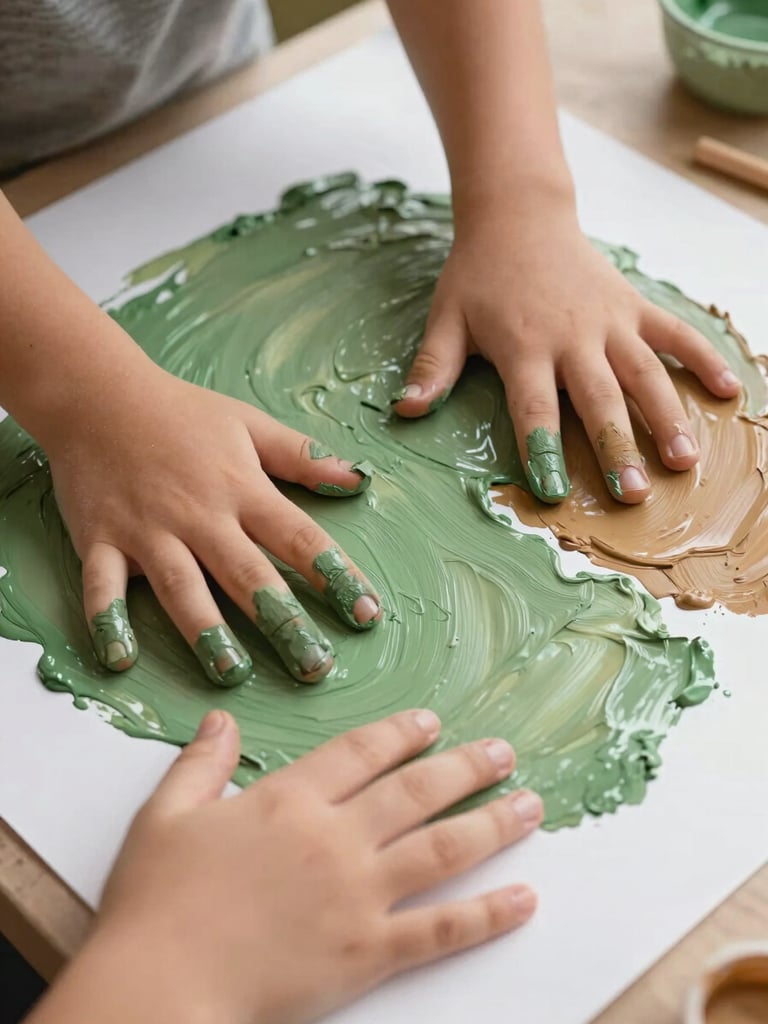
+ Hands-on, always
The mess is the method.
Paint, clay, water, and loose parts are the tools for early literacy and numeracy here. Counting while sorting, narrating while creating — skills embedded in doing, not drilled in worksheets.
Small group size means each child's individual pace is visible. One educator, every day, tracking what each child is ready for next.
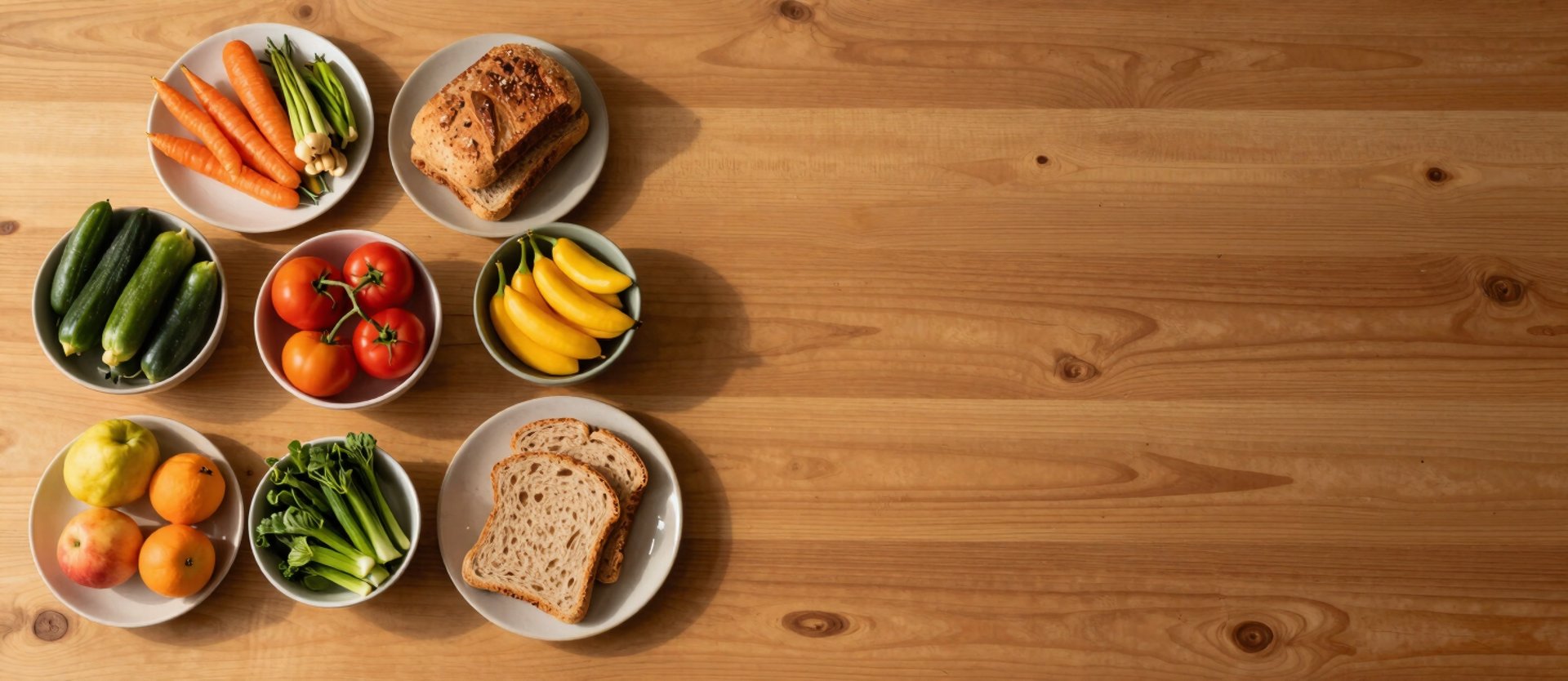
▸ Canada's Food Guide
Real food is part of the learning.
Every meal and snack follows Canada's Food Guide — whole vegetables, whole grains, no colour numbers. Children help prepare, name, and taste ingredients. That's science, language, and math at the table.
See if there's a spot for your child.
Spaces are intentionally small. If the program sounds right, reach out early — enrollment for the upcoming season is open now.